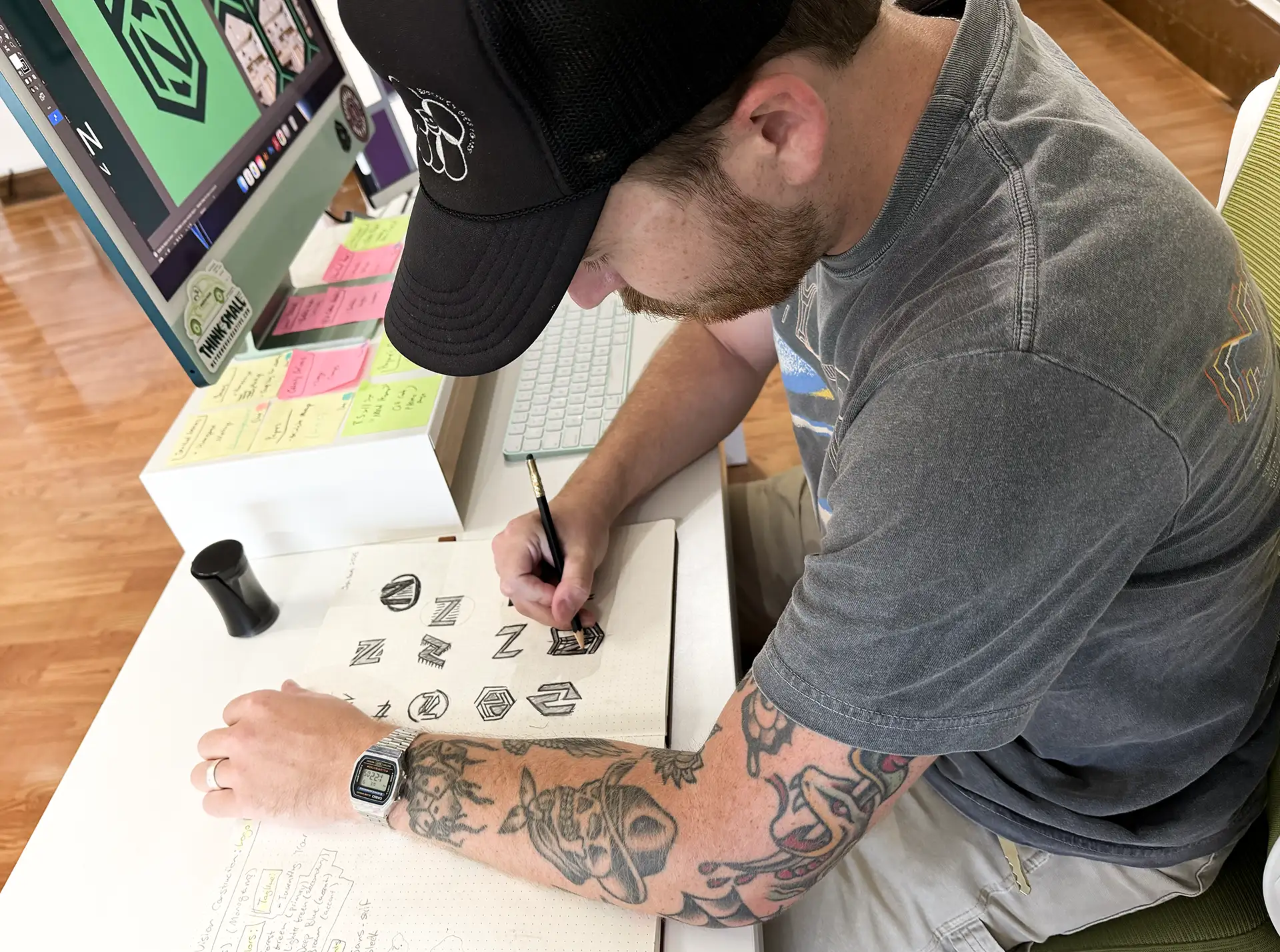
Wondering how much should a logo cost? Somebody quoted you fifty bucks. Somebody else quoted you five thousand. And here’s the uncomfortable part: both of them are telling you the truth.
That range is real, and it’s why how much a logo should cost is such a frustrating question to Google. At Metro Nova, a brand identity project runs anywhere from $3,500 to $15,000, and we can defend every dollar of it. But we can also tell you exactly when a cheap logo is the right call. The number on the invoice isn’t the interesting question. What you’re actually buying is.
What Drives Logo Design Cost
Four things, mostly.
The number of concepts. One direction, or three genuinely different directions to react to? Options cost design hours, and design hours are the product.
Revision rounds. Two rounds or unlimited? Cheap quotes usually cap revisions tightly, and every round past the cap is a change order.
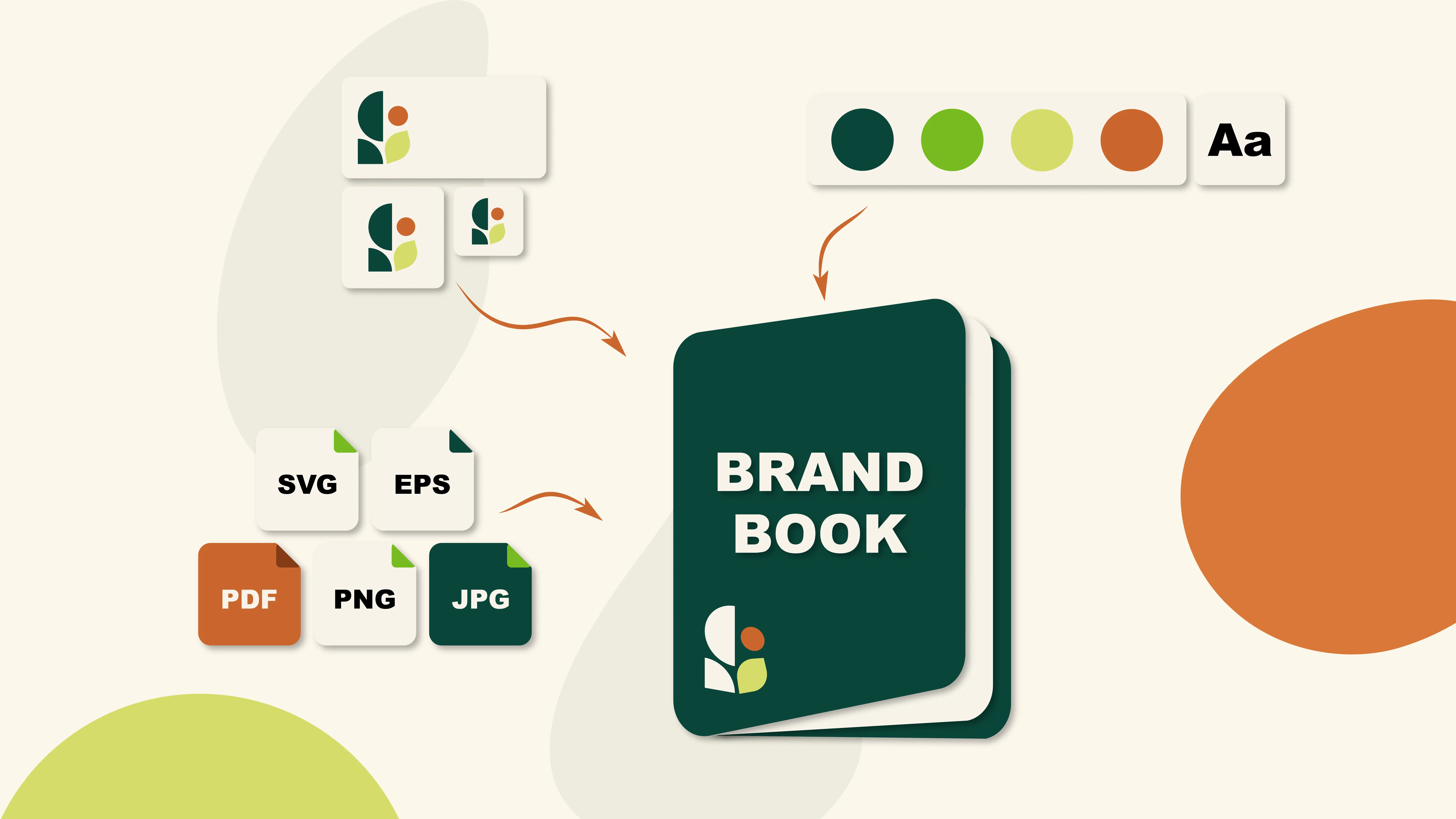
A single mark or a full system. A logo is one file. A system is the primary mark, a secondary mark, a submark or icon, color codes for print and screen, typography rules, clear-space and minimum-size specs, and the file formats to run all of it.
Whether anyone’s thinking about where it has to live. This is the one that separates cheap from expensive more than anything else. Is your mark going to work embroidered on a polo, cut in vinyl on a truck door, printed at ten feet on a trade show banner, and legible as a 32-pixel app icon? Somebody has to be thinking about that while they draw it. Most people quoting you fifty bucks aren’t.
That last one is really a question about time. What does your business look like in ten years? If you’re planning to add a second truck, a second location, or a second service line, your mark has to survive that.
Tier One: The Template or AI Logo
You type in your business name, pick an industry, and get a grid of options in about ninety seconds. It’s the cheapest option by a wide margin, it’s fast, and it will absolutely produce something that looks like a logo.
What you get: a mark, usually a PNG, sometimes an SVG. Occasionally a color palette suggestion.
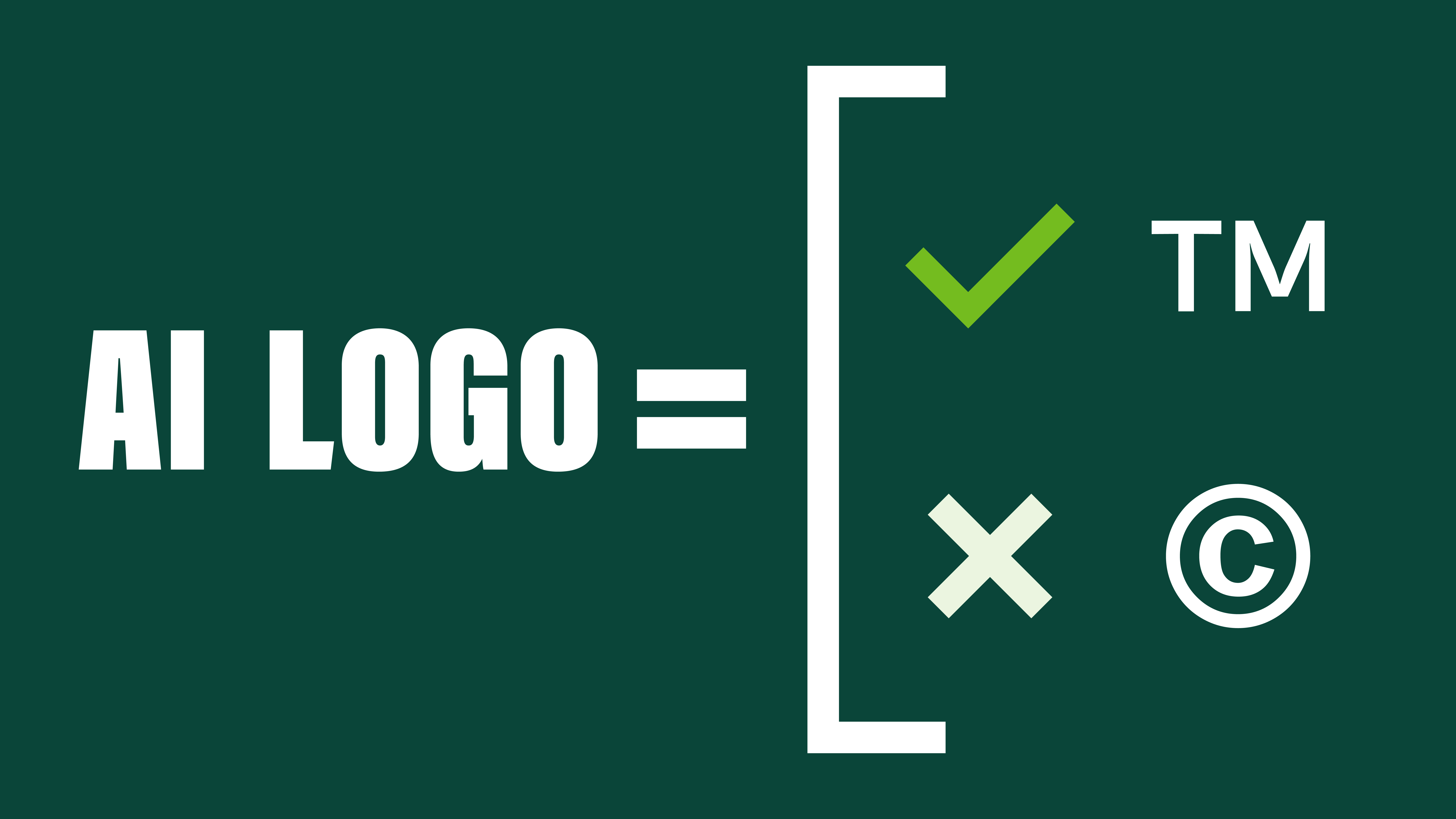
What you don’t get: exclusivity. Template platforms license the same icon library to everyone using them, and AI tools grant non-exclusive rights with no uniqueness guarantee. The gym across town can end up with your swoosh. You also don’t get production files, brand rules, or anyone who’s considered how the thing behaves at one inch or ten feet.
When it’s the right call: you’re testing an idea, you need a placeholder this week, or the business genuinely might not exist in a year. There’s no shame in this. Just know you’re renting, not buying.
Tier Two: The Freelance Designer
A real person draws your mark. This is a genuine step change from tier one, and a good freelancer can do excellent work for meaningfully less than an agency charges.
What you get: original design, a few concepts, a defined number of revision rounds, and usually a small file package.
What you don’t get, reliably: it varies enormously, and that’s the honest answer. Some freelancers deliver a tight, production-ready package. Others deliver a JPG and a handshake. The gaps that show up most often are missing vector source files, no embroidery-ready simplified version, no one-color version, and no written rules for anyone who touches the brand later.
When it’s the right call: you have a clear vision, you only need the mark itself, and you’re comfortable directing the process yourself. If you know what a spot color is and why you’d want one, you’ll do fine here.
How to hire well at this tier: ask for the file list up front, in writing. Ask what happens on revision round four. Ask to see a mark they made rendered on an actual physical product, not just a laptop mockup.
What a Logo Should Cost at the Agency Tier
At Metro Nova, that’s $3,500 to $15,000 — and you’re not buying a logo. You’re buying the decisions underneath it.
What you get: discovery and positioning work before anyone opens a design file. Multiple developed concepts, not variations on one idea. The full mark family — primary, secondary, submark, horizontal and stacked lockups. Every file format your vendors will ever ask for. Color specified in CMYK, RGB, HEX, and Pantone. Typography rules. A written brand guide so the next designer, printer, or wrap installer doesn’t have to guess. And application testing across the surfaces you’ll actually use.
What you’re really paying for: somebody owning the outcome. When the embroiderer says the mark won’t stitch cleanly, that’s our problem to solve, not yours.
When it’s the right call: you’re building something you intend to keep. Multiple locations, a fleet, uniforms, signage, an acquisition down the road, or any situation where your brand shows up on more than a business card.
The Part Nobody Puts in the Quote
The sticker price is the smallest number in this conversation. Here’s what the rest of it looks like.
Rework. The most common story we hear: someone paid very little, used the logo happily for eighteen months, then needed a truck wrap. The file wouldn’t scale. The detail turned to mush. The thin strokes disappeared at highway distance. So they paid again — and this time they also paid to replace every piece of collateral built on the old mark. The cheap logo didn’t cost what the invoice said. It cost that plus the rebrand.
File conversions. Every vendor wants something different. Embroiderers want a simplified mark with a limited thread count. Sign shops want clean vector paths. Screen printers want separated spot colors. Web needs SVG. If those files don’t exist, somebody bills you to make them — usually the vendor, usually at a rush rate, usually on the day you needed the shirts.
Inconsistency across vendors. This is the expensive one, and it’s invisible until it isn’t. Without a brand guide, your sign company picks a green, your shirt vendor picks a slightly different green, and your web developer picks a third. Your truck, your uniforms, and your website are now three related but distinct brands. Every one of those looks fine on its own. Together, they read as sloppy — and you’re the only one who can’t see it, because you see them one at a time.
Internal drag. Somebody at your company becomes the person who emails logo files around. That person spends real hours hunting for the right version, re-explaining the colors, and fixing what came back wrong.
How to read a logo quote
Before you compare two numbers, make sure they’re describing the same thing. Ask every designer:
- How many concepts, and how different will they actually be from each other?
- How many revision rounds are included, and what does round four cost?
- Exactly which files do I receive? Get the list in writing.
- Is there a one-color version and a simplified version for embroidery?
- Do I get color specified for print and screen?
- Do I own the mark outright when we’re done?
- Have you tested this on a physical product before delivery?
A quote that answers all seven and a quote that answers none of them can look identical on a PDF. They are not the same purchase.
Why this hits differently in Fredericksburg
Most of what’s written about logo design cost is written by national platforms selling national products. That advice assumes your brand lives on a website and a business card.
Around here, it doesn’t. It lives on a truck door on Route 1, on a tent at a fall festival, on a polo at a trade show, on a ten-foot banner in a gym. We print, wrap, and embroider in this market, so we find out fast when a mark doesn’t hold up — usually while it’s on the press. That’s a different kind of information than a template platform has access to.
The real question
A logo isn’t a purchase. It’s the thing every other purchase gets built on top of. Your signage, your vehicles, your uniforms, your packaging, your site — all of it sits on that one decision.
So “how much should a logo cost” is really “what am I getting.” That’s the next video, and the next post.
Common questions about logo pricing
How much should a logo cost for a small business? The honest answer depends on where the logo has to live. If you need a mark for a business card and a Facebook page, the low end is defensible. If it’s going on vehicles, uniforms, and signage, budget for a full identity system — you’ll spend the money either way, and spending it once is cheaper.
Why do logo design prices vary so much? Four things drive it: how many concepts you get, how many revision rounds are included, whether you’re buying a single mark or a full system, and whether anyone is designing for the surfaces you’ll actually print on.
Is an AI logo generator good enough? For testing an idea or holding a placeholder, sure. Just know that AI tools and template platforms grant non-exclusive rights with no uniqueness guarantee, so the same mark can end up on someone else’s storefront. You also won’t get production files or brand rules.
What files should I get with a logo? Vector source files at minimum, plus a one-color version, a simplified version for embroidery, horizontal and stacked lockups, and color specified in CMYK, RGB, HEX, and Pantone. If a quote doesn’t list files, ask before you sign.
How long does a brand identity project take? For a full system, plan on several weeks — discovery and positioning come before design, and application testing comes after. Rushing the front of that process is where most expensive rebrands start.
Get $1,000 off your brand identity project
Book a consulting session with Dan and you’ll get $1,000 off your brand identity project. We’re holding 10 spaces, and that’s the whole promotion.
The session itself is worth taking either way. We’ll look at where your brand actually lives — trucks, uniforms, signage, screen — and tell you straight whether you need a full identity system, a refresh of what you’ve got, or nothing at all right now.
Book your consulting session →
Metro Nova Creative | 3701 Lafayette Blvd, Fredericksburg, VA | 540-369-3200 | metronovacreative.com